Dolly Parton, the singer and songwriter whose wit, warmth and extraordinary catalogue made her one of the most beloved figures in American music, has died aged 80.
Her death was reported on 25 August 2026. At the time of writing, a cause of death had not been publicly established.
Parton spent more than six decades making the improbable feel inevitable. She travelled from a one-room cabin in the foothills of Tennessee's Great Smoky Mountains to the Country Music Hall of Fame, the Rock and Roll Hall of Fame, Hollywood and concert stages around the world. Yet the distance she covered never erased the place she came from. Poverty, family, faith, pride and leaving home remained the emotional geography of her songs.
Born Dolly Rebecca Parton on 19 January 1946 in Sevier County, Tennessee, she was one of 12 children. Music arrived early through church performances and local radio, followed by a move to Nashville while she was still a teenager. Her national breakthrough came beside Porter Wagoner in the late 1960s, but Parton was already writing towards a life and sound of her own.
That independence became one of her defining themes. When she left Wagoner's television show and musical partnership, she wrote I Will Always Love You as a farewell. Parton's original became a country classic; Whitney Houston's 1992 recording turned the song into a global phenomenon. Its journey captured Parton's singular range: intimate enough to sound like a private conversation, strong enough to belong to millions.
Her songs could sketch a whole life in a few strokes. Coat of Many Colors transformed a childhood garment made from scraps into a story about dignity. Jolene gave vulnerability a hypnotic rhythm. 9 to 5 paired an instantly recognisable hook with the daily frustrations of working women. Parton wrote without condescension, and often with a smile that made the sharpness of her observations easy to miss.
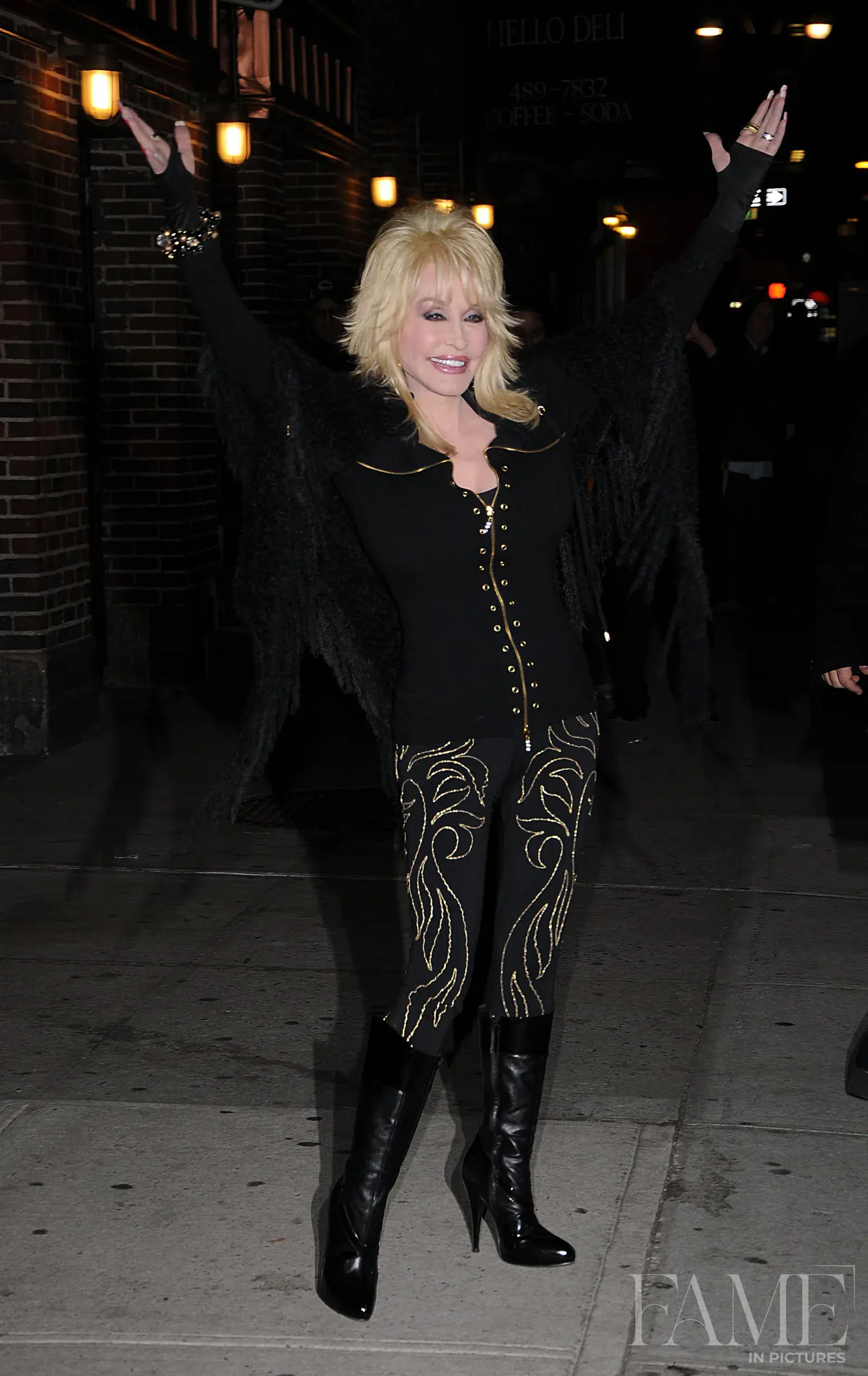
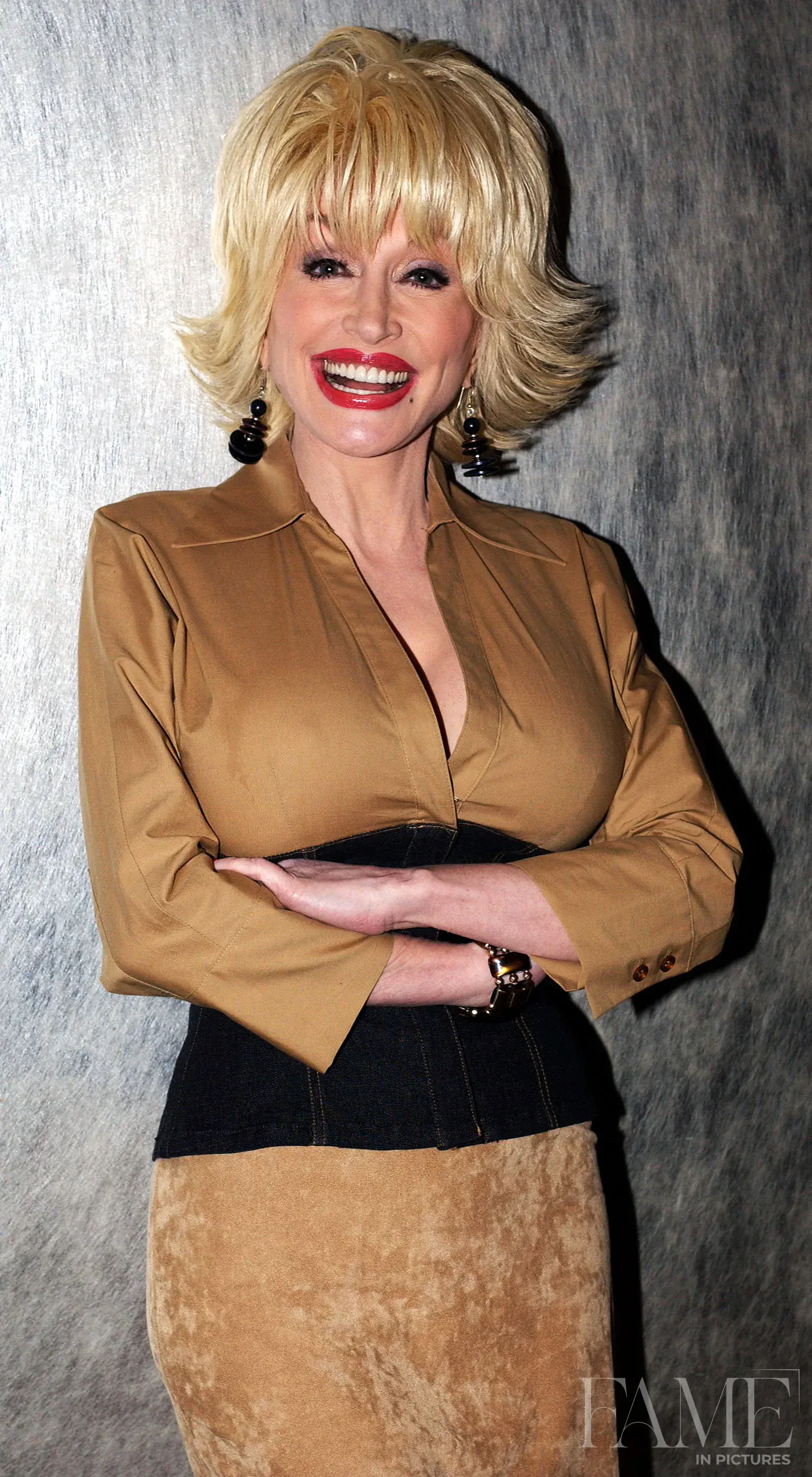
Her image was just as deliberate. The towering hair, rhinestones and bright colours were not a distraction from the work; they were part of it. Parton understood performance as both pleasure and protection. She frequently made the joke before anyone else could, then moved the conversation back to the song, the business or the cause that mattered to her.
That business instinct built an empire. Dollywood, opened in partnership with the Herschend family in 1986, became a major employer and destination in East Tennessee. Parton also sustained a screen career that included 9 to 5, The Best Little Whorehouse in Texas and Steel Magnolias, bringing the same comic timing and emotional directness to film.
Her most consequential legacy may be measured in books. Inspired by her father's inability to read and write, Parton founded the Imagination Library in 1995. Beginning in her home county, the programme grew to send free books to children in several countries. Its scale was immense, but its premise remained personal: every child should have books at home and the chance to imagine a larger world.
That instinct surfaced again after the 2016 wildfires in Sevier County, when her My People Fund provided direct support to affected families. During the Covid-19 pandemic, her donation to Vanderbilt University Medical Center helped fund research connected to the Moderna vaccine. The gestures were practical, public-spirited and characteristically free of self-importance.
Parton's honours included multiple Grammy Awards, membership of the Grand Ole Opry, the Kennedy Center Honors and induction into both the Country Music Hall of Fame and the Rock and Roll Hall of Fame. Lists, however, never quite explained her hold on audiences. She was glamorous without seeming remote, shrewd without becoming cynical and sentimental without losing sight of hard truths.
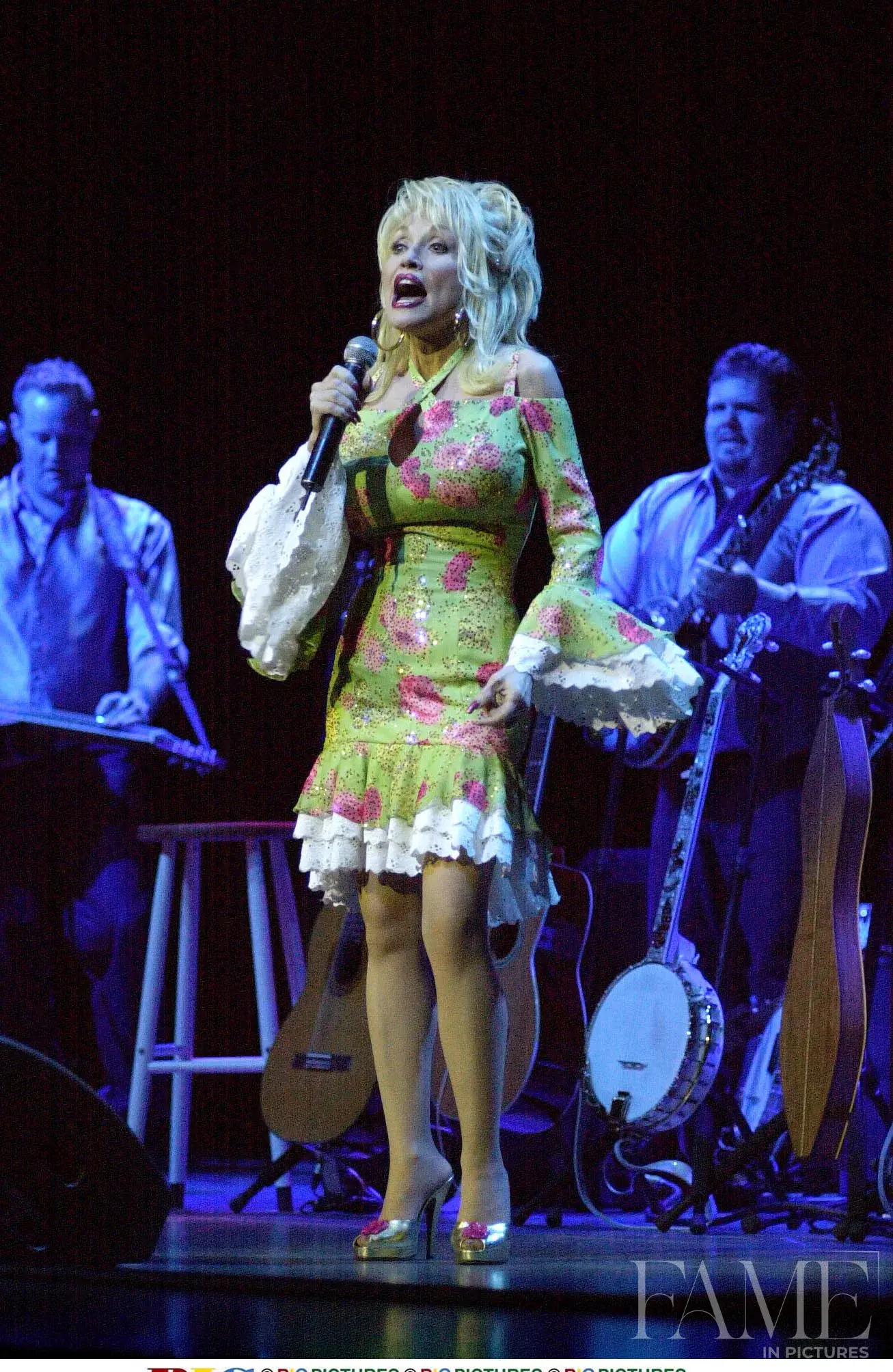
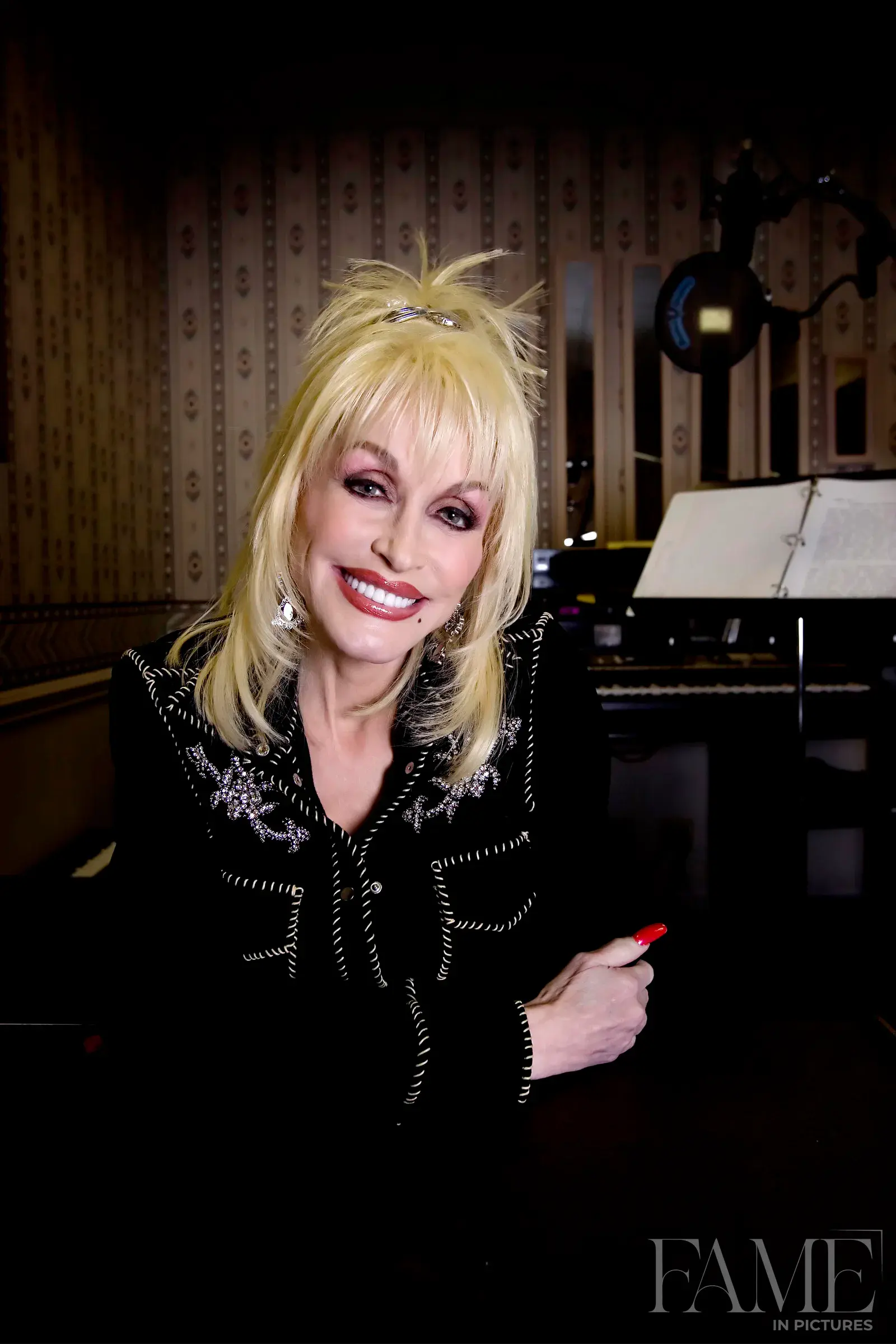
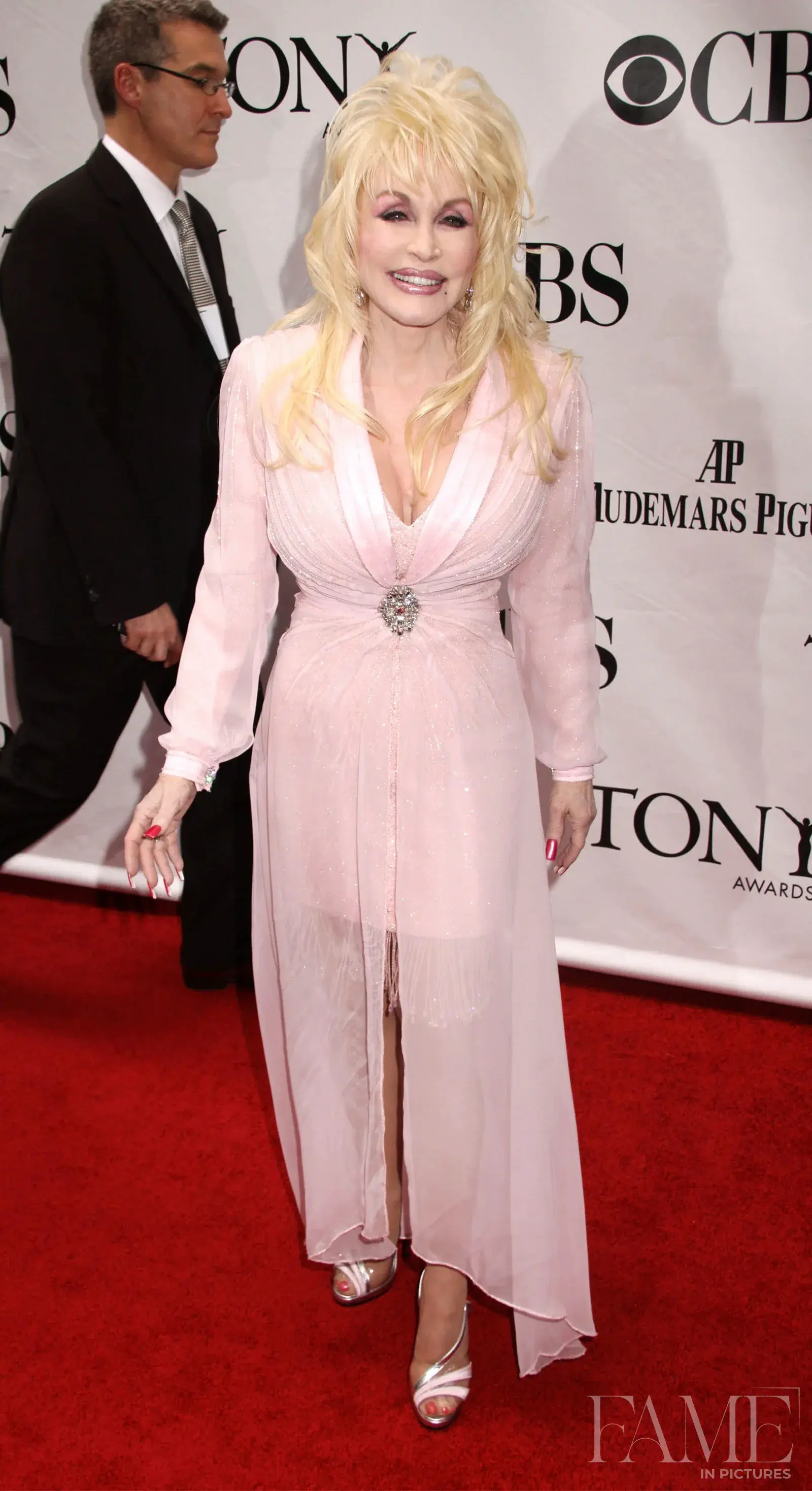
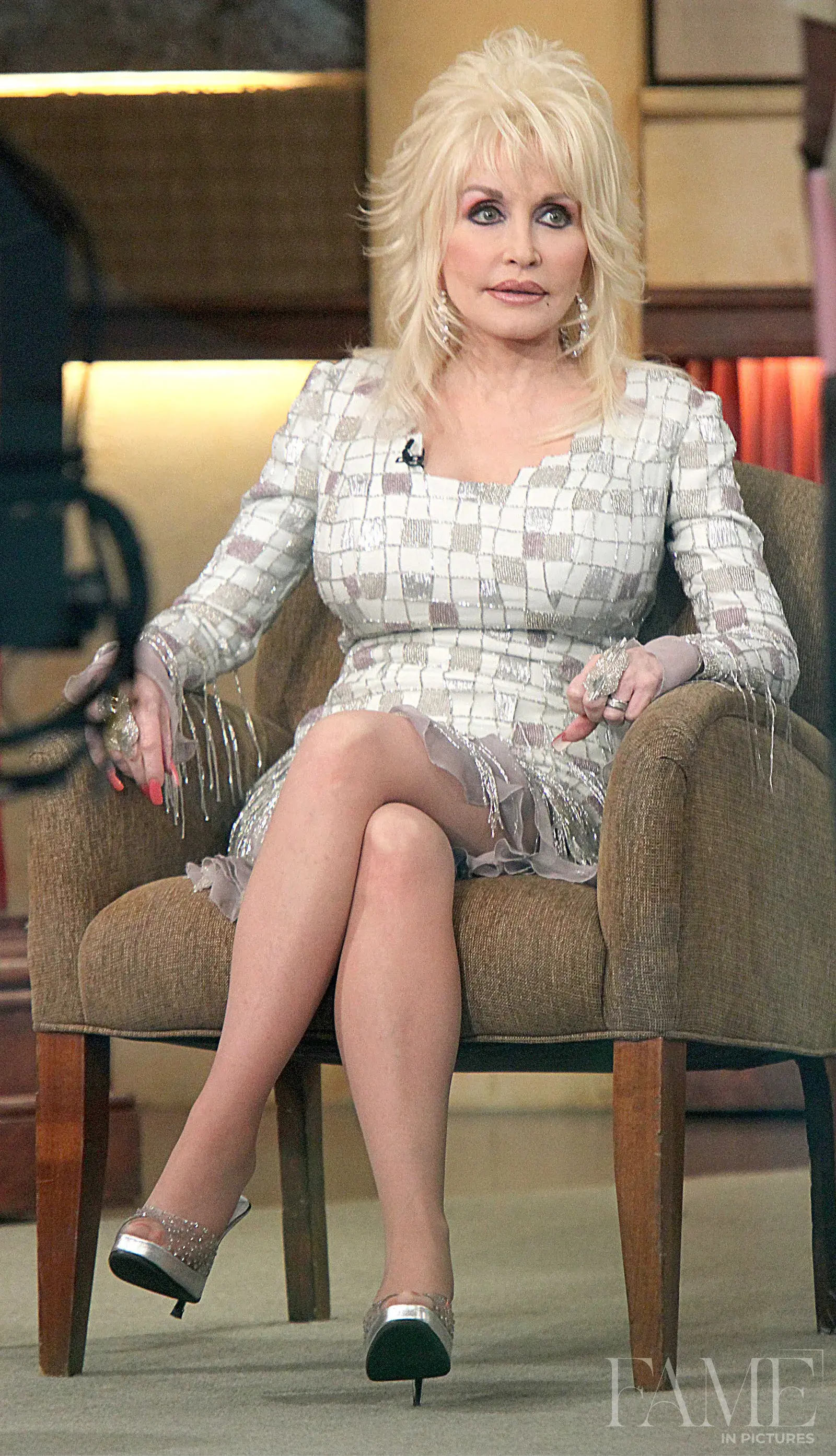
The photographs left behind tell that story in their own way: the performer commanding a Scottish stage, the ambassador carrying Tennessee with her, the star at home in a Nashville office and the red-carpet figure still unmistakably herself. Across the years, the details changed, but the directness did not.
Parton once made ambition sound like an act of self-knowledge: find out who you are, then do it on purpose. Her life gave the thought its authority. She fashioned a public self of dazzling artifice and used it to deliver something unmistakably sincere.